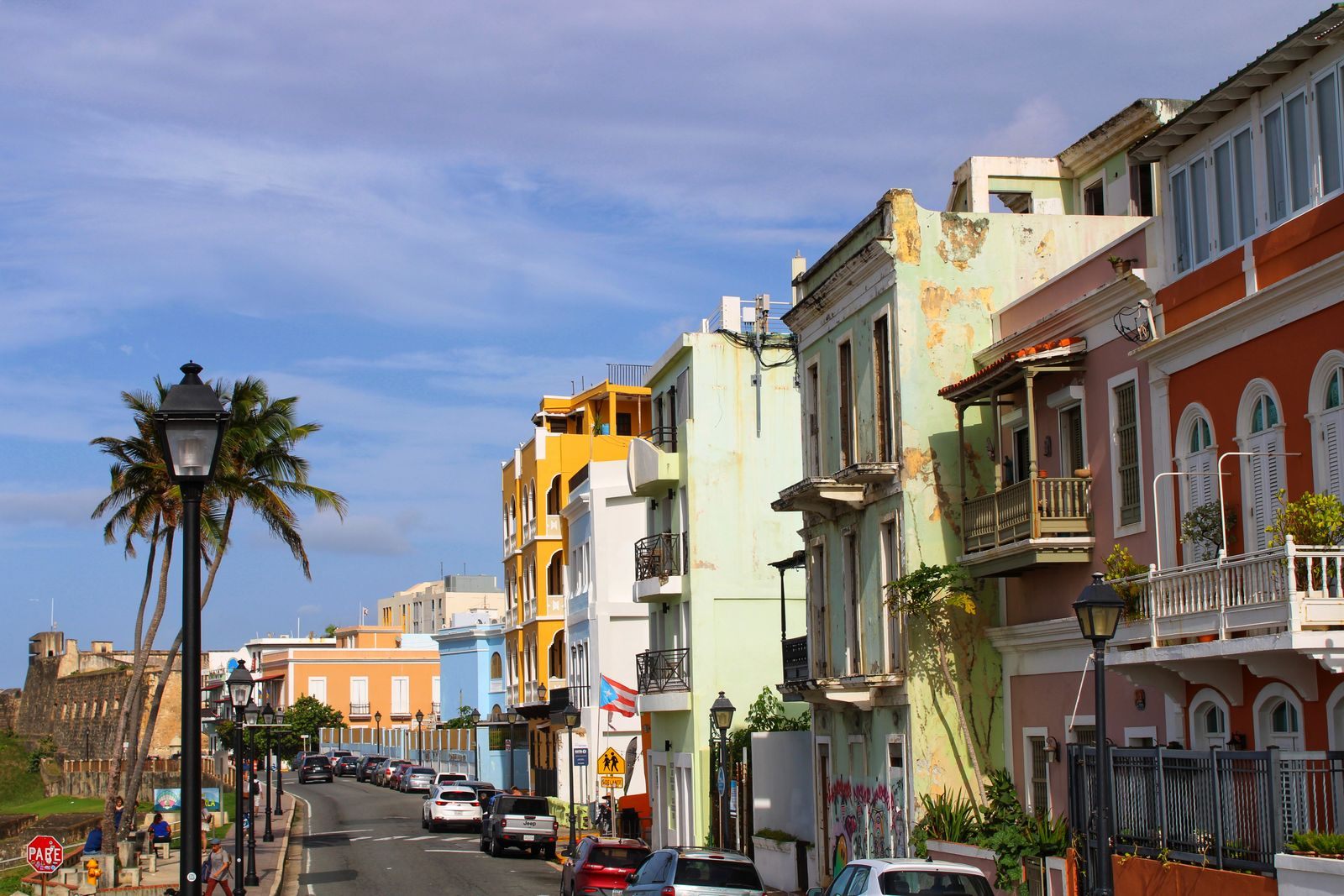
Cruises to Spanish-Speaking Countries
Language, money and customs in the Spanish-speaking ports of the Americas.
Quote My Latin America CruiseCruises to Spanish-speaking countries are among the most popular in the world, and many travelers choose them precisely for the language, food, music and colonial history. Here is what to expect ashore — language, money and local customs — and where the Spanish-speaking ports are.
Spanish-Speaking Ports by Region
| Region | Country | Cruise ports | Currency |
|---|---|---|---|
| Caribbean | Puerto Rico (US) | San Juan | US dollar |
| Caribbean | Dominican Republic | Santo Domingo, La Romana, Puerto Plata (Amber Cove, Taino Bay), Samaná | Dominican peso |
| Caribbean | Colombia | Cartagena, Santa Marta | Colombian peso |
| Mexico | Mexico | Cozumel, Costa Maya, Progreso; Cabo San Lucas, Puerto Vallarta, Mazatlán, Ensenada | Mexican peso |
| Central America | Costa Rica, Panama, Guatemala, Honduras, Nicaragua, El Salvador | See our Central America cruise ports guide | Local currencies; US dollar in Panama and El Salvador |
| South America | Chile, Argentina, Peru, Uruguay, Ecuador | Valparaíso/San Antonio, Buenos Aires, Callao, Montevideo, Manta | Local currencies; US dollar in Ecuador |
Language Ashore
You do not need Spanish for a cruise. Guides, drivers and shopkeepers in cruise areas usually speak English, and ship-sold excursions are run in English. Away from the pier, though, a little Spanish goes a long way: greetings, please and thank you, numbers and directions. Puerto Rico is bilingual, and Belize, often visited on the same itineraries, is English-speaking.
Travelers who speak Spanish often find these cruises especially rewarding: conversations with locals, menus read with ease and a chance to hear the regional differences between Caribbean, Mexican and Andean Spanish.
Money, Customs and Etiquette
- Cash: carry small US bills for tips and markets; check whether prices are quoted in dollars or local currency before you pay.
- Cards: accepted in larger shops and restaurants; tell your bank you will be traveling.
- Tipping: customary for guides and drivers in most countries on these routes.
- Dress: churches and cathedrals in colonial towns expect covered shoulders.
- Bargaining: normal in craft markets, but keep it friendly.
- Food: enjoy street food from busy stalls; drink bottled water unless told otherwise.
Useful Phrases for a Port Day
A handful of words make a port day smoother: buenos días (good morning), por favor and gracias, ¿cuánto cuesta? (how much is it?), la cuenta (the bill) and ¿dónde está el muelle? (where is the pier?). Taxi drivers appreciate an agreed price before setting off.
Music, Food and Festivals
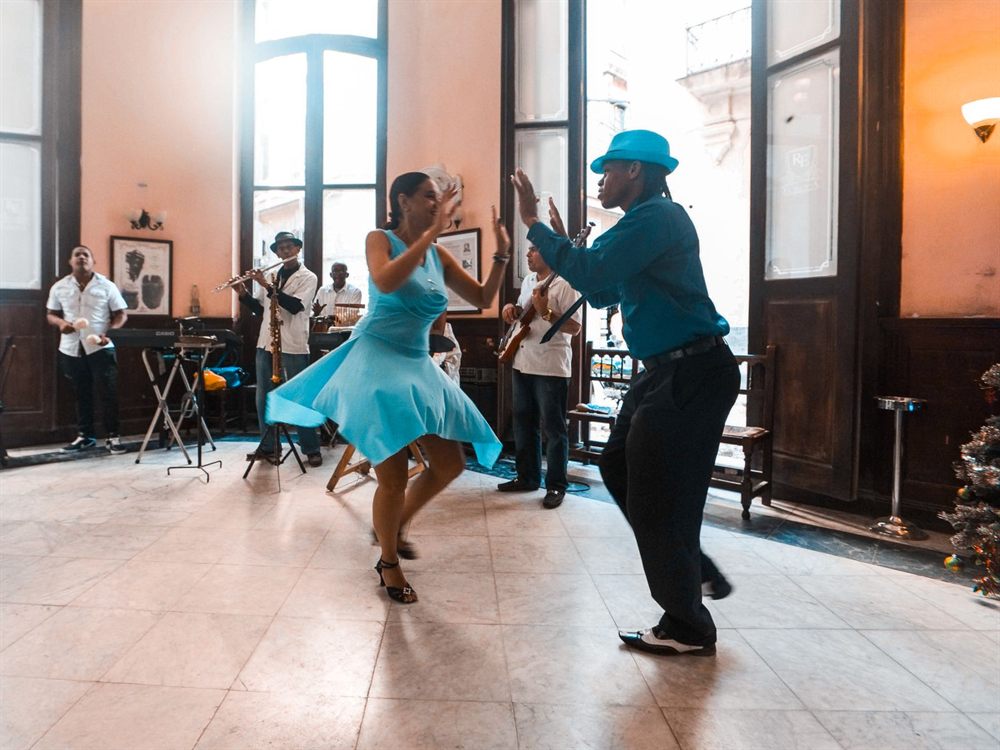
Salsa in Puerto Rico and Colombia, merengue and bachata in the Dominican Republic, marimba in Guatemala, mariachi in Mexico: music is everywhere. Some cruise ports time festivals and events to the cruise season; ask our advisors which ones fall on your dates. For the Eastern Caribbean ports of San Juan and the Dominican Republic, see Eastern Caribbean Cruises; for Colombia’s Caribbean coast, Southern Caribbean Cruises.
Spanish-Speaking Ports: Questions
Which cruise ports are in Spanish-speaking countries?
Mexico, Puerto Rico, the Dominican Republic, Colombia, Panama, Costa Rica, Guatemala, Honduras, Nicaragua and El Salvador all have regular cruise calls, as do Chile, Argentina, Peru, Uruguay and Ecuador on South America voyages.
Do I need local currency in these ports?
Usually not for a day visit. US dollars and cards are accepted widely in tourist areas, and Panama, El Salvador, Ecuador and Puerto Rico use the US dollar.
Can I cruise to Cuba?
US-based cruise lines stopped calling in Cuba after US rules changed in June 2019, and they do not currently sell Cuba sailings to US travelers.
Cruise the Spanish-Speaking World
Tell us which countries interest you. Our cruise advisors at Mister Cruise will find sailings that visit them and send free quotes.
Get Free Cruise Quotes